Returning birds

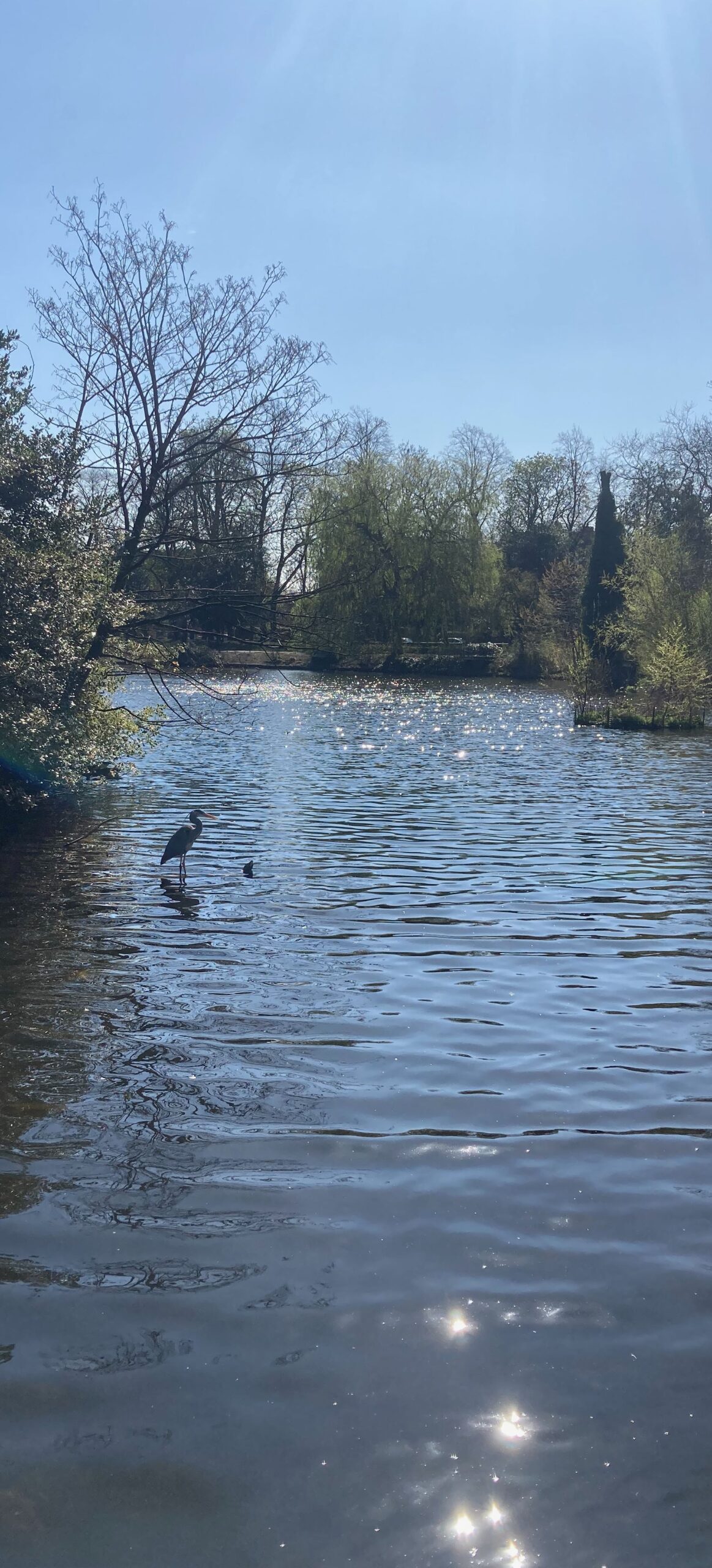
This morning saw the return of a Heron to the local pond. A couple of years ago there was a heron nesting in a tree overlooking the pond. Time will tell if this one decides to stay.

Heron standing in shallow water. Spots of sunlight reflect of the water. Trees surround the water.

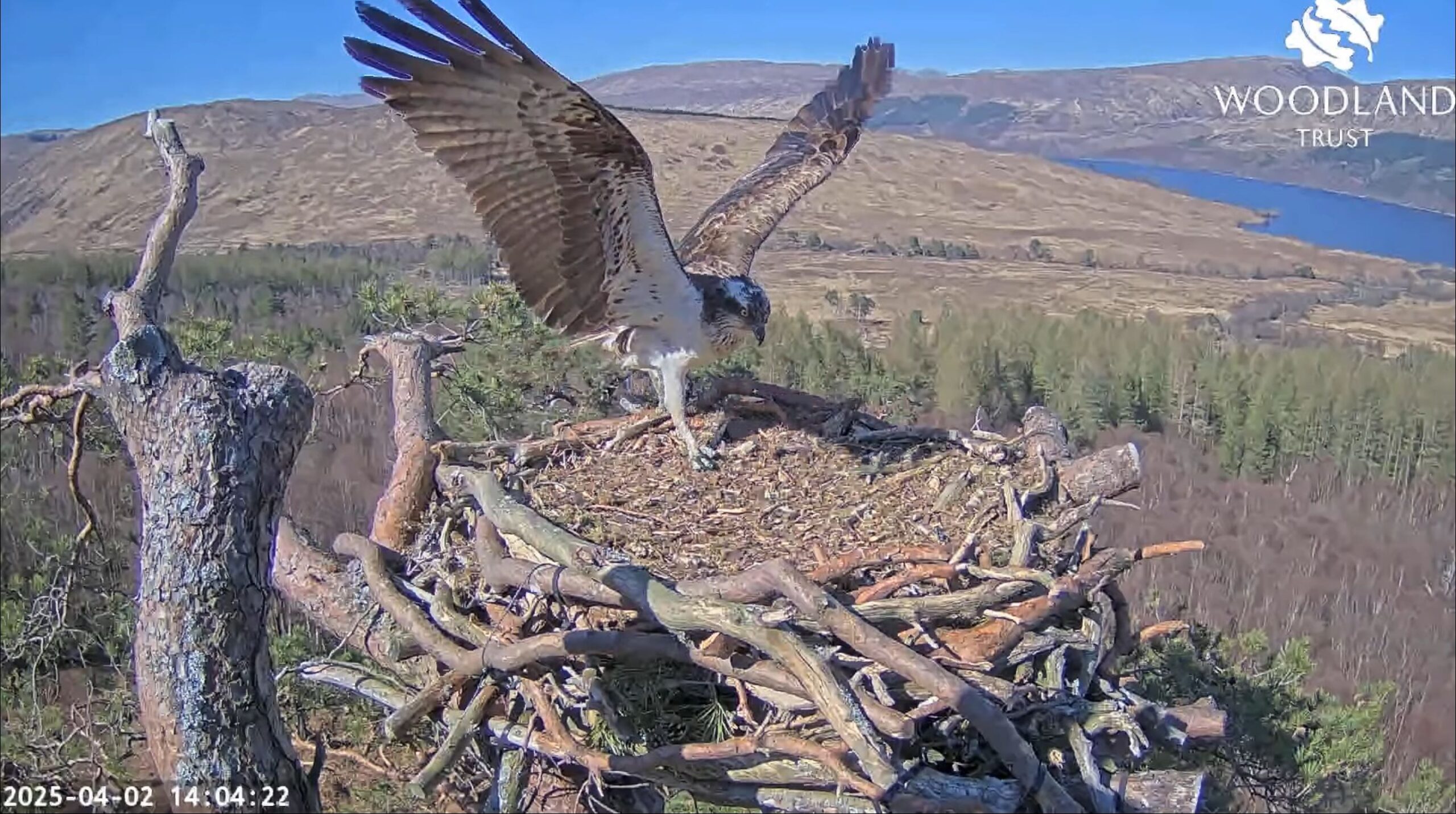
This afternoon saw the return of an Osprey to the nest at Loch Arkaig in Scotland. The nests are monitored by The Woodland Trusts‘s Osprey Cams so the hatching of chicks can be followed through the summer.

It looks like the blue tits have returned to the hole in the wall at the rear of my home to build a nest.

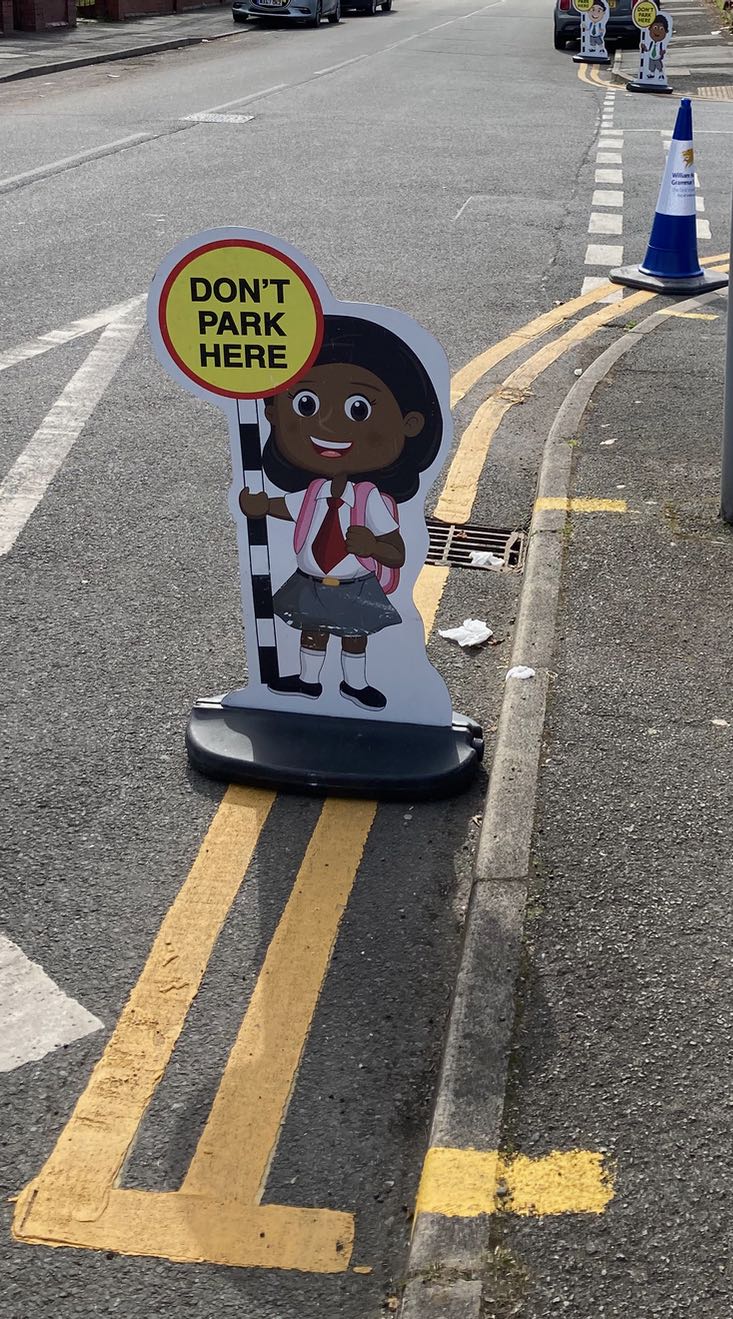
A "don't park here" sign standing on some double yellow lines.

Presumably for the benefit of motorists who do not understand what double yellow lines mean or that you must not park within 10m (32 feet) of a road junction. How did they get a driving licence?

Personal outsider web sites

In her defense of unpolished personal websites Ana Rodrigues opined:

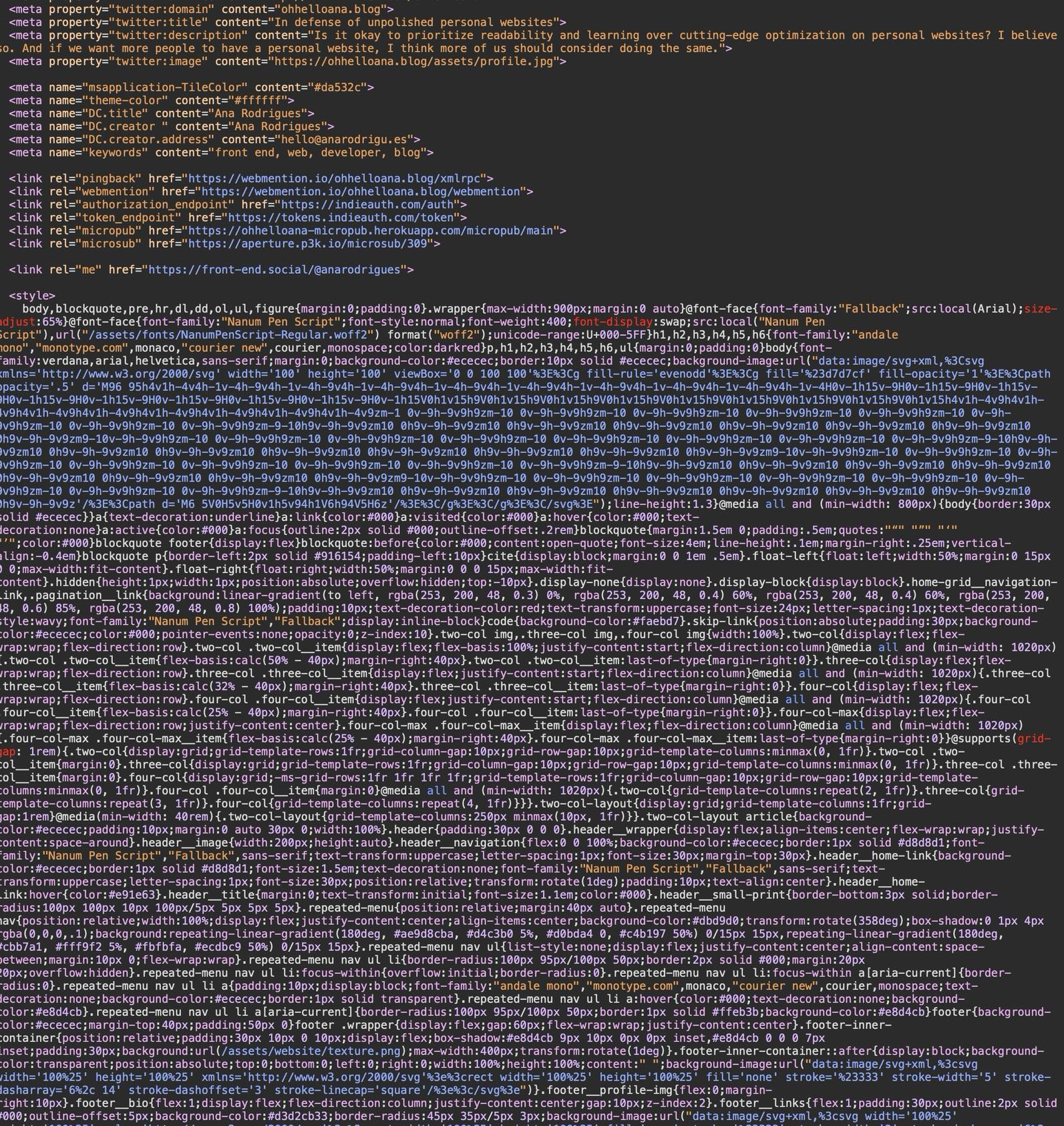
all I want for my personal website is to give back to the web. I want anyone, regardless of skill level, to inspect elements, understand the structure, and learn from readable code.

Splendid. Let’s take a look:

A page of dense code for a web site

Hmmm!

We should not forget that browsers will happily render a text file (someText.txt) and combined with a simple drag and drop access point like Transmit‘s Docksend it should be easy to be on the web. This was how things worked in the days of yore. Your account with an ISP came with some ‘web space’. The ISP account would put an icon on your desktop onto which you dragged your files and they automagically appeared on the web.

The punk rock scene in the UK of the late 1970s was a move against the self-indulgent, bloated excesses of established musicians and the music industry. Of course it did not last and the status quo was soon reestablished but there was a re-setting of attitudes. Perhaps one day the web will experience something similar and people will reclaim it as their own.

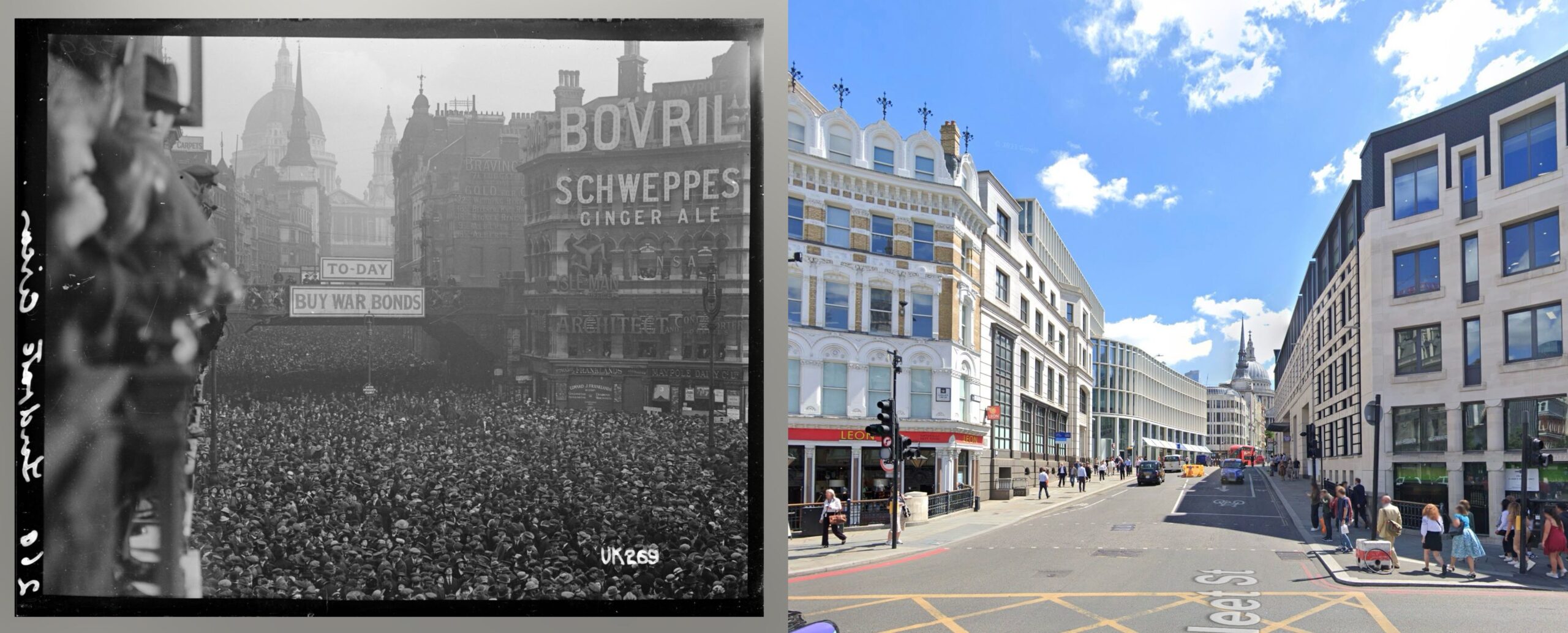
A view of Ludgate Hill

A game of TimeGuesser turned up a picture of crowds gathering, at the end of the First World War in 1918, at Ludgate Circus looking up Ludgate Hill towards St.Pauls Cathedral caused me to wonder what had changed since then.

The street view today shows much has changed – click image to embiggen.
View up Ludgate Hill towards St. Pauls from 1918 and 2024

The spire of St. Martin’s church is recognisable; and just above the chap’s hat on the far left it looks like the top of one of the fancy finials that still adorn the building on the left.

The railway bridge was never much admired:

Of all the eyesores of modern London, surely the most hideous is the Ludgate Hill Viaduct— that enormous flat iron that lies across the chest of Ludgate Hill like a bar of metal on the breast of a wretch in a torture-chamber. – Walter Thornbury, ‘Ludgate Hill’, in Old and New London: Volume 1(London, 1878), British History Online [accessed 9 March 2025].

and it was removed in 1990 with the arrival of the City Thameslink rail service (the canopy protruding on the right) which passes under the road.

But perhaps the single greatest change since then… nobody is wearing a hat.